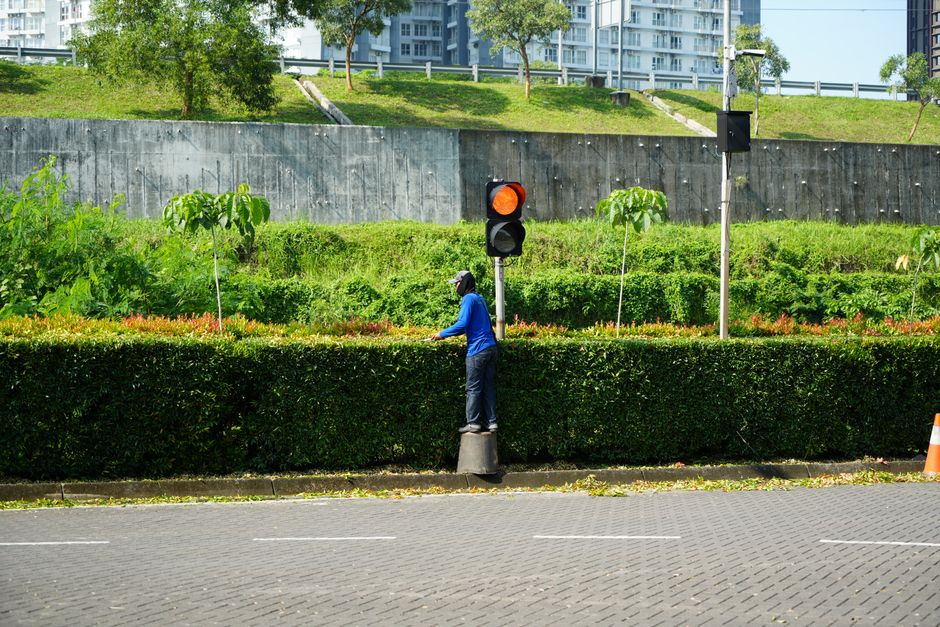
Common problems with hedge work by Foots Cray gardeners
Hedge work looks simple from the pavement. Trim it, tidy it, step back, done. In reality, the common problems with hedge work by Foots Cray gardeners often show up in the details: uneven cuts, bare patches, awkward access, missed nesting checks, and hedges that were shortened too hard in the wrong season. If you have ever stood in the garden on a damp morning looking at a hedge that now looks thinner than a winter jumper, you will know the feeling.
This guide breaks down what hedge work involves, why problems happen, and how to avoid the usual mistakes. It also explains when hedge trimming is enough, when a more careful reshaping is needed, and when it makes sense to call in professional help. For readers comparing services, you will also find practical notes on quality, safety, and related services such as garden maintenance, hedge trimming, and general gardening services.
Table of Contents
- Why common hedge work problems matter
- How hedge work works in practice
- Key benefits and practical advantages
- Who this is for and when it makes sense
- Step-by-step guidance
- Expert tips for better results
- Common mistakes to avoid
- Tools, resources and recommendations
- Law, compliance, standards and best practice
- Options, methods, and comparison table
- Case study or real-world example
- Practical checklist
- Conclusion
- Frequently asked questions
Why Common problems with hedge work by Foots Cray gardeners Matters
Hedges do more than fill a boundary line. They affect privacy, light, kerb appeal, neighbour relations, and even how safe your garden feels. A hedge that is cut badly can take months to recover, and sometimes longer if the wrong growth has been removed. That is why the common problems with hedge work by Foots Cray gardeners are worth understanding before any trimming starts.
Most issues are not dramatic on day one. They creep in. A hedge is cut too square and starts shedding leaves along the sides. A tall conifer is reduced unevenly, leaving a ridge. A flowering hedge gets trimmed at the wrong moment, so next year's display is lost. Small mistakes become visible every time you walk past the window. Let's face it, hedges are not shy about showing the damage.
There is also the practical side. Poor hedge work can block driveways, overhang footpaths, shade lawns too heavily, or interfere with fencing and neighbouring properties. In a place like Foots Cray, where gardens often combine mature planting with compact plots, tidy hedge care can make a real difference to daily use. Done properly, it supports the wider garden too, especially when paired with lawn care or landscaping.
Expert summary: The biggest hedge work problems are usually not about effort. They are about timing, cutting technique, access, and understanding the hedge type. Get those four things right and most of the stress disappears.
How Common problems with hedge work by Foots Cray gardeners Works
At its simplest, hedge work means shaping, reducing, thinning, or maintaining a hedge so it stays healthy and useful. But different hedges need different treatment. A beech hedge behaves very differently from leylandii. A flowering hedge has different timing needs from a dense evergreen screen. That is where problems often begin: the hedge is treated as a generic green wall, when it really isn't.
In good hedge work, the gardener looks at the plant's species, height, width, density, condition, and whether there are signs of disease, storm damage, or drought stress. They also check what is around the hedge: walls, fences, patios, decking, public edges, and access points. The work plan is adjusted accordingly. Sometimes a light trim is all that is needed. Other times, a staged reduction is safer because the hedge has become too large to cut back in one go.
The most common mistakes happen when that assessment is skipped. The result can be poor shape, excessive bare wood, or stress on the plant. You may also get uneven waste removal, broken branches left behind, or a tidy top with messy sides. Not ideal, and definitely not the look most people are hoping for.
If the hedge is part of a larger garden tidy-up, services like garden clearance or ongoing maintenance can help keep the surrounding area manageable as well.
Key Benefits and Practical Advantages
When hedge work is done properly, the benefits are easy to notice. The garden feels calmer. The boundaries look intentional. Light returns to beds and lawns. You also reduce the chances of overgrowth becoming a seasonal panic job, which, if we are being honest, is how many hedge issues start in the first place.
- Better shape: A well-cut hedge keeps a clean profile and looks healthy from every angle.
- Healthier growth: Sensible trimming encourages dense regrowth rather than patchy, stressed foliage.
- Safer access: Overhanging branches are less likely to obstruct paths, gates, and driveways.
- Improved privacy: Structured hedge care helps maintain screening without turning the hedge into a towering problem.
- Lower long-term cost: Regular maintenance usually prevents heavier corrective work later.
There is also a quieter benefit: you stop fighting the hedge. Instead of constantly reacting to it, you start working with its natural growth cycle. That is where better results come from. Not from brute force. From rhythm.
For homes with mixed outdoor features, hedge work may be part of a broader service plan that includes fencing, patio cleaning, or even decking services so the whole garden reads as one tidy space rather than a collection of separate jobs.
Who This Is For and When It Makes Sense
This topic matters to a few different people. If you own a home with mature hedges, you are probably already familiar with the seasonal gamble: cut too little and the hedge takes over; cut too much and you regret it for months. If you rent or manage a property, hedge work can be a straightforward way to keep a garden presentable without major landscaping.
It also makes sense for people who have recently moved into a property and inherited a hedge that has been left alone for too long. That is common. One winter, perhaps two, and suddenly the hedge is wider than the path beside it. A quick trim won't always solve that. It may need staged recovery work.
Here is when hedge work is particularly relevant:
- the hedge is blocking light or access
- the hedge has grown unevenly after DIY cutting
- you want a sharper formal boundary
- the hedge is encroaching on neighbours' space
- the hedge is part of a wider garden refresh
Sometimes people ask whether a hedge can just be "taken down a bit" without fuss. Often yes, but not always in one visit. That depends on the species, age, and how much healthy growth is left to work with.
Step-by-Step Guidance
If you want a hedge job to go smoothly, the process matters as much as the cut itself. Below is a practical, plain-English version of how decent hedge work should be approached.
- Inspect the hedge carefully. Check the species, thickness, recent growth, and any dead or diseased sections. A good gardener won't just start clipping away.
- Agree the goal. Is the aim a light tidy, a height reduction, a width reduction, or a complete reshape? The answer changes everything.
- Protect nearby surfaces. Paths, lawns, fences, and ornaments should be considered before cutting begins. Hedge debris can stain or scratch if left too long.
- Cut in stages where needed. Large reductions are often better done gradually. A hedge can recover from sensible work; it struggles more with shock treatment.
- Shape for the future, not just today. Tapering the sides slightly wider at the base helps light reach lower foliage. That detail gets overlooked a lot.
- Clear debris properly. Leaves, clippings, and woody stems should be removed or composted as agreed. A tidy finish matters.
- Review the result in natural light. What looks straight up close may appear uneven from the road or patio. Step back. Always step back.
One useful clarification: hedge work is not the same as a one-off hack back. If the hedge has become overgrown, the safe route is usually careful reduction, then regular maintenance. That is far kinder to the plant and, frankly, less annoying for everyone involved.
Expert Tips for Better Results
In our experience, the best hedge work comes from restraint. That sounds a little dull, but it is true. The temptation is to keep cutting until the line looks perfect. Yet the best line is the one that still leaves healthy growth underneath.
Try these practical tips:
- Match the timing to the hedge type. Evergreen hedges, flowering hedges, and formal boundaries all behave differently.
- Use the right shape. A slight taper helps the base stay alive and green.
- Work in good conditions. Wet, windy, or frosty weather can make cutting awkward and the finish less accurate.
- Watch for hidden issues. Birds' nests, dead wood, rot, and pest damage can all affect the job.
- Do not chase perfect symmetry. Natural hedges have character. Over-fussing can leave them looking harsh.
And here is a very human point: if a hedge has had a rough year, give it one. Maybe two, if needed. Plants are not machines. They respond to stress, sunlight, soil, and weather in their own way. A bit of patience now can save a lot of regret later.
If you want a gardener who understands the wider picture, it is worth checking the company background via about us and their approach to health and safety and insurance and safety. That may sound like admin, but it matters on site.
Common Mistakes to Avoid
The common problems with hedge work by Foots Cray gardeners usually trace back to a handful of avoidable errors. Some are about technique. Some are about expectations. Some are simply about rushing. We have all seen it: one side neatly clipped, the other side wandering off like it has a mind of its own.
| Mistake | What it causes | Better approach |
|---|---|---|
| Cutting too hard into old wood | Bare patches and slow recovery | Reduce gradually and keep healthy growth where possible |
| Ignoring hedge species | Wrong timing, poor flowering, uneven regrowth | Tailor the cut to the plant type |
| Trying to force perfect straight lines | Harsh shape and exposed areas | Follow the hedge's natural structure |
| Leaving it too long between trims | Heavy labour and more waste | Keep to a regular maintenance cycle |
| Skipping a site check | Damage to fencing, paths, and planting | Inspect the area before work starts |
A related mistake is treating hedge work as a stand-alone job when the rest of the garden is already in need of attention. A hedge may look much better once the surrounding lawn, borders, and edging are sorted too. It is a bit like cleaning a front room and leaving all the clutter in the hallway. The eye notices.
For larger outdoor tidies, combining hedge work with lawn mowing or broader landscape gardening can make the whole space feel properly reset.
Tools, Resources and Recommendations
Good tools make hedge work safer and cleaner, but they do not replace judgement. A sharp blade on the wrong hedge can still cause a poor finish. The basic kit depends on the job, but common tools include hedge trimmers, loppers, secateurs, protective gloves, eye protection, and clearing equipment for clippings.
For bigger hedges, access equipment may be needed. That is where professionalism matters. Reaching high sections from a ladder while stretching over a boundary is not the sort of thing to guess at. If access is awkward, the job may need a safer setup, or a staged approach from the ground.
Useful resources and recommendations for homeowners:
- keep a note of how often the hedge needs cutting
- photograph the hedge before and after work for reference
- ask what will happen to the waste before the job starts
- confirm whether light reshaping or reduction is being carried out
- check whether nearby features like fences or patios need protecting
Where the hedge borders a hard landscape, a tidy-up may also benefit from patio cleaning or coordination with fencing work. Small join-up details like that save awkward gaps later.
Law, Compliance, Standards and Best Practice
Hedge work is mostly practical gardening, but there are still standards and common-sense duties to respect. In the UK, good practice includes checking for nesting birds during the relevant season, avoiding unnecessary disturbance, and being careful around shared boundaries. Exact legal responsibilities can vary with the situation, so if a hedge is part of a dispute or sits on a boundary line, caution is wise.
Safety matters too. Cutting tall hedges, using power tools, handling debris, and working near roads or public access points all carry risk. That is why professional gardeners should work with proper risk awareness, sensible access planning, and suitable protective equipment. If you are comparing providers, pages such as terms and conditions, payment and security, and pricing and quotes can help you understand how the service is structured before anyone lifts a tool.
Waste handling is another good-practice area. Green waste should be removed, composted, or recycled responsibly where possible. The point is not just to make the garden look neat that day. It is to leave the whole job tidy, safe, and environmentally sensible. That little extra care is often what separates decent work from rushed work.
Options, Methods, and Comparison Table
Different hedge situations call for different methods. A quick trim is fine for regular upkeep, but an overgrown screen may need staged reduction. Below is a simple comparison to help you think it through.
| Method | Best for | Pros | Watch out for |
|---|---|---|---|
| Light trimming | Regular maintenance and formal shapes | Fast, neat, keeps growth dense | Needs regular repetition |
| Selective reshaping | Uneven or slightly overgrown hedges | Improves form without harsh cuts | Requires a skilled eye |
| Staged reduction | Large hedges that have outgrown the space | Safer for the hedge than one heavy cut | Takes longer to reach the final shape |
| Full renovation pruning | Heavily neglected hedges | Can restore manageability | Higher risk and not suitable for every species |
The best choice is rarely the most aggressive one. That is worth repeating. If you are unsure, a gardener should explain why a specific method is being used and what the hedge is likely to do afterwards. Clear expectations save hassle later.
Case Study or Real-World Example
Picture a typical Foots Cray garden in late summer. The hedge along the side return has been trimmed in a hurry for years. One end is dense, the middle section is thin, and the top leans slightly toward the neighbour's driveway. Nothing disastrous, but not pretty either. The owner wants privacy, yet the hedge is already showing a few bald patches where it has been cut back too hard before.
The sensible approach here would not be one heavy reduction. First, the hedge would be assessed for species and health. Then the gardener would trim for balance, lift the lower growth gently, and avoid stripping into old wood unless the plant type could tolerate it. Waste would be cleared, and the owner would be told that the hedge may need two or three visits to fully settle into shape.
What changed? Not magic. Just a better plan. The hedge looked calmer after the first visit, and by the next season the lower growth had filled in more naturally. The lesson is simple: hedge work goes better when the long-term shape is part of the conversation from the start. Tiny detail, big difference.
Practical Checklist
Use this checklist before any hedge job begins. It is short, but it covers the bits people forget when they are rushing.
- Have I identified the hedge type correctly?
- Do I know whether this is a trim, reshape, or reduction?
- Is the timing right for the plant and season?
- Are there nesting birds, active wildlife, or signs of disturbance?
- Could the hedge be damaged by a hard cut?
- Are nearby fences, patios, lawns, or paths protected?
- Will the clippings be removed or recycled as agreed?
- Is access safe for the height and width involved?
- Do I need related services such as tree surgery or tree lopping and removal because branches are mixing into the hedge line?
- Have I asked for a clear quote and scope of work?
If you can tick most of those off, the job is already heading in the right direction. If not, slow down. That is not a bad thing. It is usually the sensible thing.
Get a free quote today and see how much you can save.
Conclusion
The common problems with hedge work by Foots Cray gardeners are usually avoidable once you understand the basics: hedge type, timing, access, cutting style, and aftercare. Most poor results come from rushing or treating every hedge as if it behaves the same way. It doesn't. Some hedges bounce back quickly. Others need patience and a lighter touch.
If you want the hedge to look smart without turning it into a long recovery project, the best route is careful assessment and steady maintenance. That keeps the garden easier to use, easier to enjoy, and a lot less stressful when the growing season kicks in. Truth be told, a tidy hedge can change how the whole place feels.
And if you are still deciding what level of work your hedge really needs, start with a proper review rather than a rushed cut. The garden will thank you for it, quietly, in its own way.
Frequently Asked Questions
What are the most common problems with hedge work in Foots Cray gardens?
The most common issues are uneven cutting, over-trimming into old wood, poor timing, missed nesting checks, and access problems. A lot of trouble comes from treating all hedges the same.
Why does my hedge look patchy after trimming?
Patchiness often happens when a hedge is cut too hard, especially if the trim goes beyond healthy leafy growth. Some species also recover slowly, so the effect can look worse before it improves.
Can a badly overgrown hedge be fixed in one visit?
Sometimes, but not always safely or well. Many hedges do better with staged reduction over more than one visit so they can recover without shock.
Is hedge trimming the same as hedge reduction?
No. Trimming keeps shape and controls new growth, while reduction lowers the hedge's size. Reduction is usually more involved and needs more care.
When is the best time to get hedge work done?
It depends on the hedge type and local conditions. Flowering hedges and nesting seasons need extra thought, so timing should always be matched to the plant rather than chosen at random.
What should I ask before booking hedge work?
Ask what kind of cut is planned, how waste will be handled, whether the hedge may need more than one visit, and whether nearby surfaces or boundaries will be protected.
Can hedge work damage nearby fencing or patios?
Yes, if debris is not controlled or if tools are used too close to boundaries. Good preparation and clear site protection reduce that risk.
Do I need professional hedge work if the hedge is only a bit untidy?
Not always. Light maintenance can often be handled without major intervention. But if the hedge is tall, awkward, or already uneven, professional help is usually worth considering.
How often should hedges be trimmed?
That depends on the hedge species and the look you want. Formal hedges usually need more frequent attention than informal boundary hedges.
What happens if birds are nesting in the hedge?
Work should be paused or adjusted with care. Nesting birds are a real consideration in the UK, and any responsible gardener should check before cutting deeply.
Can hedge work be combined with other garden jobs?
Yes. It often makes sense to combine hedge work with lawn care, maintenance, garden clearance, or even boundary work like fencing, especially if you want the whole garden to feel refreshed.
How do I know if the quote is fair?
A fair quote should explain the scope clearly: height, length, access, waste removal, and whether the hedge needs shaping or reduction. If the quote feels vague, ask for a more detailed breakdown before you agree.
For more on the company's service approach and customer information, you can also review the complaints procedure, privacy policy, and recycling and sustainability pages. Small things, yes, but they help build trust.