Recycling and Sustainability for Gardeners Footscray
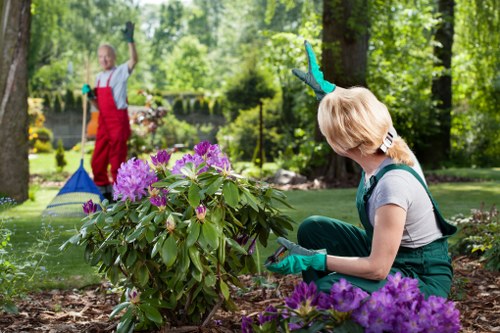 Gardeners Footscray is committed to greener outdoor care through practical recycling, smarter material use, and low-impact garden operations. Our approach to garden waste recovery is built around reducing landfill, sorting reusable materials properly, and choosing services that support local sustainability goals. In a busy inner-west setting, where homes, laneways, community spaces, and shared green areas all generate different kinds of green waste, we focus on responsible collection and separation methods that make a real difference.
As part of our sustainability plan, we work toward a recycling rate target of 85% across green waste and recoverable job materials where it is safely and legally possible. That means more pruning offcuts, soil, plant matter, timber, mulch, cardboard, and packaging are directed into suitable recycling streams instead of mixed disposal. We also look closely at how materials are sorted on-site, because effective waste separation is just as important as the final destination. This is especially relevant in local council areas where household and commercial waste systems rely on correct sorting for organics, soft plastics, glass, metal, and general waste.
Our Footscray garden recycling practices also reflect the diverse waste setup across inner metropolitan boroughs. In areas where councils use separate collection bins for food and garden organics, recycling becomes more efficient when crews keep green waste uncontaminated by plastics, treated timber, or non-organic rubbish. 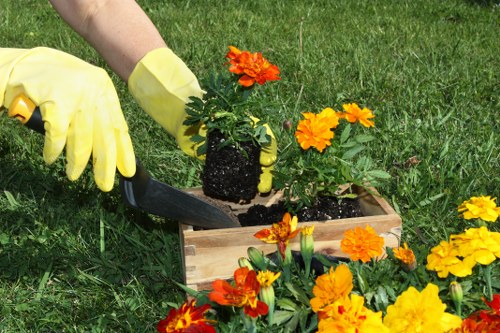 We apply that same care in the field by separating green materials from reusable landscape items and by sending recoverable loads to approved local transfer stations. The result is a cleaner stream of material and a smaller environmental footprint.
Local transfer stations play an important role in our workflow. For larger clear-outs, soil disposal, branch removal, and mixed green waste, we use approved transfer and resource recovery facilities in and around Melbourne’s west. These sites help divert suitable loads into composting, mulching, timber recovery, and other reuse pathways. Where possible, we choose destinations that support processing of organic matter into useful products rather than sending it straight to landfill. That supports both the environment and the long-term health of the local landscape economy.
We also maintain partnerships with charities and community reuse groups so that garden-related items can find a second life. Reusable pots, trellises, hand tools, planters, garden décor, and some outdoor furniture pieces may be redirected to charitable organisations when they are in usable condition. These partnerships help extend the life of materials that would otherwise be discarded, while also supporting households, community gardens, and low-income community programs. Reuse first, recycle second is a simple idea, but it has a strong impact when applied consistently.
 In many cases, sustainability starts before the waste leaves the site. Our crews aim to minimise unnecessary wrapping, avoid over-ordering disposable supplies, and select products with recyclable packaging wherever practical. We also encourage material recovery during garden maintenance, especially when working with pruning debris, old mulch, and seasonal clean-ups. When organic waste is kept separate, it can often be turned into mulch or compost feedstock, helping local soils retain moisture and reducing the need for fresh raw materials.
Our fleet is another area where sustainability matters. Gardeners Footscray uses low-carbon vans designed to reduce emissions during daily travel between properties, collection points, and transfer stations. These vehicles are chosen for better fuel efficiency and lower environmental impact, supporting a quieter and cleaner service across the neighbourhood. By reducing emissions per trip, we can manage regular garden work while keeping our carbon footprint in check. This is especially important in densely populated areas where transport-related pollution quickly adds up.
We also pay attention to route planning, since shorter and smarter travel means less fuel use. Jobs are grouped geographically where possible, reducing unnecessary back-and-forth movement. In practical terms, that means fewer trips, less congestion, and lower emissions overall. For a service provider operating across a mixed urban landscape, the benefits of route optimisation are significant. The same thinking applies to the handling of waste streams: better planning creates better recycling outcomes.
Across the boroughs and council districts we serve, waste systems can differ in small but important ways. Some areas place a strong emphasis on separating green organics from general rubbish, while others focus on sorting by material type such as metals, glass, cardboard, and hard plastics. We respect those local approaches by keeping our own collection and disposal processes aligned with accepted separation standards. That helps make sure materials from our work are accepted at the right facility and are more likely to be recovered successfully.
Gardeners Footscray sees sustainability as part of everyday service, not an extra add-on. From recovering organic matter to choosing low-carbon vans and supporting charitable reuse, our recycling program is designed to reduce waste at every stage. We aim to make the most of what can be reused, composted, mulched, or repurposed, while responsibly managing anything that cannot be recovered.
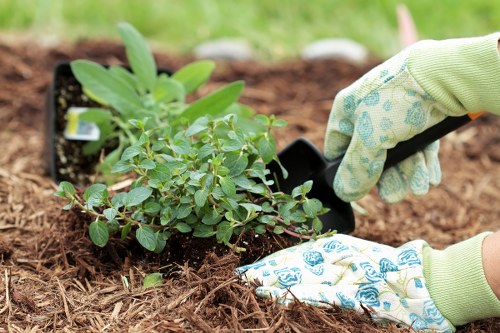 Our commitment to eco-friendly gardening services includes ongoing improvement in sorting practices, cleaner material handling, and better coordination with local recovery infrastructure. As recycling expectations continue to grow across inner-west communities, we are focused on staying aligned with practical, measurable sustainability outcomes. That means making greener choices in the field and maintaining a clear preference for recovery over disposal whenever possible.
 By combining local transfer station use, charitable partnerships, and low-emission transport, Gardeners Footscray supports a more circular approach to garden maintenance. The goal is simple: keep useful materials in use for longer, reduce the burden on landfill, and help maintain a healthier environment for Footscray and the surrounding communities. Through steady, responsible action, our recycling and sustainability efforts contribute to cleaner gardens and a cleaner local future.