Hall Place planting tips for Foots Cray gardeners
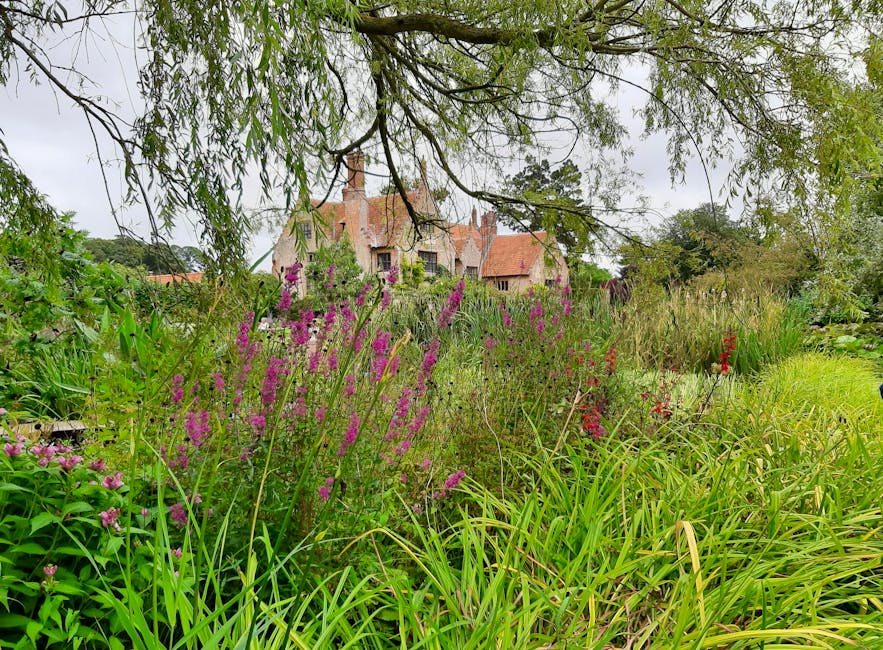
If you garden in Foots Cray, Hall Place is more than a nearby historic backdrop; it is a useful reminder that planting well is partly about reading a place properly. The light, shelter, soil, and seasonal pressure in this part of South East London shape what thrives and what sulks. These Hall Place planting tips for Foots Cray gardeners are designed to help you make better decisions from the start, whether you are refreshing a small border, planning a fuller scheme, or trying to keep plants healthy through wet winters and dry, bright spells.
Truth be told, most planting problems are not dramatic. They are the slow ones: soil that drains badly, shrubs that outgrow their spot, perennials that never quite settle, or a border that looks neat in April and tired by August. The good news? A few practical choices can change all that. In this guide, you will find clear planting principles, seasonal advice, common mistakes, and simple ways to build a garden that suits Hall Place-inspired planting in Foots Cray without turning it into a full-time job.
Why Hall Place planting tips for Foots Cray gardeners matters
Planting around Foots Cray is not just about choosing attractive plants. It is about choosing plants that can handle a particular kind of garden life: mixed light, clay-leaning or variable soils in places, seasonal winds, and the usual UK rhythm of damp springs, warm spells, and the odd cold snap that arrives just when you thought you were safe. Hall Place, with its landscaped feel and mature planting character, gives a strong visual cue: structure matters, repetition helps, and reliable plants usually beat fussy ones.
That is especially useful for local gardeners because many gardens around Foots Cray are not enormous. You may be working with a compact rear garden, a narrow border, a shaded corner, or a front garden that needs to do several jobs at once. The planting plan has to earn its keep. It should look good, support wildlife where possible, and avoid becoming a maintenance headache by mid-July.
There is also a bigger reason this approach matters. Good planting improves the whole garden, not just the bed itself. It can soften hard edges, reduce visual clutter, support privacy, and make a space feel calm rather than crowded. If you want a garden that feels settled, not just "done", plant selection is the place to begin.
Expert summary: The best Hall Place-inspired planting style for Foots Cray is usually a balanced one: structured, seasonal, resilient, and easy enough to keep looking good without constant rescue work.
How Hall Place planting tips for Foots Cray gardeners works
The idea is simple enough. You start by studying the site, then choose plants that match the site, not the other way round. That sounds obvious, but lots of planting plans fail because they begin with a wishlist and end with plants struggling in the wrong conditions. With a Hall Place-inspired approach, you look at how the space behaves through the year.
First, note where the sun reaches in the morning, where it gets hot in the afternoon, and which parts stay damp after rain. Then think about exposure. Is the garden tucked in and sheltered, or open to gusts? Next, look at the soil. If it is heavy, winter wet and compaction become more important. If it is lighter, then watering and feeding may matter more in dry periods. After that, you decide on layers: structural plants, seasonal flowers, ground cover, and perhaps a few containers to bridge awkward areas.
This is where the approach gets useful. A well-planned border works in layers:
- Structure: shrubs, small trees, hedging, or evergreen backbone plants
- Mid-layer: perennials and grasses that add shape and movement
- Ground layer: mulch, low growers, or carpet plants that suppress weeds and hold moisture
- Detail layer: seasonal colour, bulbs, herbs, or pots for quick impact
That layering helps the garden look intentional even in quieter months. If you are interested in making the most of limited space too, the ideas in vertical gardening and container gardening can slot neatly into this approach.
One more thing: planting is not a one-off event. In practice, it is a sequence. Prepare, plant, settle, observe, then adjust. Gardens often tell you what they want by the second or third season. You just have to listen a bit.
Key benefits and practical advantages
Using local, site-aware planting principles brings benefits that show up quickly and then keep paying back over time.
- Better plant survival: Plants matched to their conditions establish faster and need less rescue work.
- Lower maintenance: The right mix of perennials, shrubs, and ground cover reduces constant replanting.
- Cleaner-looking beds: Repetition and structure stop a border from looking random or overstuffed.
- Improved seasonal interest: You can keep the garden attractive beyond one flowering window.
- More resilience: Wind, wet weather, and summer dry spells are easier to manage when the planting is chosen properly.
- Better wildlife value: A varied border can support pollinators and birds without becoming messy.
For many Foots Cray gardens, a quieter but smarter planting scheme also makes weekly upkeep easier. That matters more than people admit. Nobody wants to spend every Saturday deadheading, staking, and endlessly replacing plants that never suited the site. A good plan gives you time back.
If weed pressure is already a problem, pairing planting with a solid ground layer helps a lot. You might also find the advice in reducing weed growth in the garden especially helpful when you are laying out beds and borders.
And if your garden faces winter stress, it is sensible to think ahead. Plants that cope with colder months and poor light are a much better long-term investment than something that only looks fabulous for six weeks.
Who this is for and when it makes sense
This approach suits a few different kinds of gardeners. You might recognise yourself in one of these.
- Homeowners starting from scratch: If the garden is bare, overgrown, or recently cleared, the planting decisions you make now will define the space for years.
- People refreshing tired borders: If the garden already has structure but feels patchy, Hall Place-style planting can bring it back into shape.
- Newer gardeners: If you want reliable results without a lot of trial and error, this is a sensible route.
- Busy households: If time is limited, low-maintenance planting is a proper gift to your future self.
- Anyone with awkward corners: Shady spots, narrow strips, windy edges, and awkward planters all benefit from thoughtful plant choice.
It makes the most sense when you want a garden that feels calm, layered, and manageable rather than one bursting with random colour. That said, it does not have to be formal. A relaxed planting scheme can still be neat, lively, and full of character. It just needs a backbone.
It also fits neatly with broader garden improvements. If you are considering a bigger refresh, pairing planting with landscaping support or regular garden maintenance can save a lot of frustration later on. Sometimes the best planting plan is the one supported by a proper clean start.
Step-by-step guidance
Here is a practical, real-world way to approach Hall Place-inspired planting in Foots Cray gardens.
- Assess the site honestly. Walk the garden at different times of day. Note shade, standing water, dry patches, and windy corners. A few minutes with a notebook helps more than guessing.
- Test the soil texture. Rub a damp handful between your fingers. If it feels sticky and compacted, drainage and structure need attention. If it feels gritty and loose, water retention may matter more.
- Decide on the job each area must do. Do you need privacy, seasonal colour, pollinator support, screening, or just a softer look? Planting should solve a problem, not just decorate one.
- Choose your backbone plants first. Pick shrubs, hedging, or small structural plants that will hold the design together. Good structure stops a border from drifting apart visually.
- Add perennials for rhythm. Use plants that flower at different times, so the border does not peak all at once and then disappear.
- Fill gaps with ground cover or mulch. This keeps weeds down and helps moisture stay in the soil. A tidy base layer makes everything feel more finished.
- Use containers for flexibility. Pots let you test colours, change the mood seasonally, and improve a weak corner without reworking the whole garden.
- Plant in the right season. In most UK gardens, autumn and spring are the easiest times for many plants to settle. Summer planting can work, but it needs more watering and care.
- Water properly after planting. Give new plants a deep soak rather than a quick splash. The point is to encourage roots downward.
- Observe and adjust. After the first season, move anything struggling, divide overcrowded clumps, and add more mulch where needed.
A small example: a side return in Foots Cray may get morning sun, afternoon shade, and a bit of wind funnelled through the gap. In that sort of space, a clipped evergreen, a shade-tolerant perennial, and a tough ground cover can be a smarter combo than a fancy mix of high-maintenance stars. Simple can be very effective. Honestly, often better.
Expert tips for better results
These are the sort of details that improve a planting scheme without making it complicated.
1. Repeat plants for calmness
One of the easiest ways to make a border look more mature is repetition. Use the same plant in more than one place, or repeat a group of three. It creates rhythm and stops the garden from looking like a plant catalogue exploded.
2. Think in seasons, not just flowers
Flowers are lovely, but leaves, stems, berries, and winter shape matter too. A strong planting plan still has something to offer in January, even if it is only structure, texture, and a few evergreen anchors.
3. Use mulch generously
Mulch is not glamorous. Let's be fair, nobody gets excited about bark chips. But it is one of the most practical things you can add. It keeps moisture in, slows weeds, and makes beds look finished.
4. Plant for the mature size, not the pot size
This one catches people out. A small shrub in a nursery pot may look harmless, then in two years it is blocking a path or crowding a window. Check mature spread and give roots room.
5. Borrow height where you need it
If the garden feels flat, use climbers, supports, or taller shrubs rather than filling everything with low plants. Height creates depth. For shady spots, the article on evergreen climbers for shaded areas is a sensible companion read.
6. Leave breathing room
Planting too tightly can seem tidy at first, but it often causes disease, weak growth, and annoying maintenance later. A little space saves a lot of trouble.
7. Match colour to mood
Soft greens, whites, and silver foliage give a calm, classic feel. Strong reds, oranges, and dark foliage create drama. Neither is better. Just choose deliberately, not by accident.
If you want the whole garden to feel more sustainable as well as beautiful, it is worth reading sustainability-focused gardening ideas. Small choices can reduce waste and improve resilience, and they usually make the garden easier to live with too.
Common mistakes to avoid
Even experienced gardeners slip into a few familiar traps. The good news is they are easy to spot once you know what to look for.
- Choosing plants only for looks: A beautiful plant that hates your soil is a short-lived pleasure.
- Ignoring drainage: Winter wet can damage roots, especially in heavy ground.
- Overcrowding: Too many plants in one bed leads to poor air circulation and a cluttered finish.
- Using too many random varieties: A scattered collection often lacks unity. It can feel busy rather than beautiful.
- Forgetting the maintenance reality: If you are busy, do not choose a scheme that needs constant clipping and feeding.
- Planting without a proper base layer: Bare soil quickly becomes weedy soil.
- Not planning for winter: A border that disappears for five months is frustrating.
Another common issue is trying to fix everything with more flowers. That is rarely the answer. Sometimes the space needs a stronger framework, better soil, or a tougher plant palette. A planting scheme should feel considered, not frantic.
And if you are tackling a garden that has gone a bit wild, it may help to combine new planting with a broader tidy-up. A well-managed base makes every plant look better. No magic, just practicality.
Tools, resources and recommendations
You do not need a shed full of specialist kit to plant well. But a few reliable tools and good habits make the job easier.
- Border fork or garden fork: Useful for loosening compacted soil without turning it into a mess.
- Spade and trowel: For digging, planting, and neat repositioning.
- Secateurs: Handy for trimming roots, deadheading, and tidying after planting.
- Watering can or hose with gentle flow: Young plants need steady watering, not a blast.
- Mulch and compost: These improve soil and reduce work later on.
- Gloves, canes, and ties: Simple, but often forgotten until you need them.
For readers who like learning through related topics, these resources on the site can help build the bigger picture:
- essential gardening tools
- turning organic debris into fertile ground
- low-maintenance garden tricks
If your planting project is part of a wider tidy-up, you may also want support with lawn care or patio cleaning, because fresh planting tends to look best against a clean, well-kept backdrop. Funny how that works.
Law, compliance, standards, or best practice
Most planting work in a domestic garden is straightforward, but there are still a few practical standards worth respecting. If you are adding trees, hedges, or climbers close to boundaries, think ahead about spread, root growth, and long-term access. That is less about strict bureaucracy and more about being a decent neighbour and avoiding future disputes.
If you are planting near walls, fences, paths, or utility features, leave enough space for maintenance. Plants that force regular access issues are usually a mistake waiting to happen. It is also sensible to avoid obstructing sightlines, steps, or entrances. Good garden design should feel welcoming, not awkward.
For managed outdoor work, safety matters too. Good practice usually includes using suitable tools, wearing gloves and eye protection where needed, and keeping work areas clear. If any planting project becomes part of larger tree work, fence replacement, or heavy landscaping, then professional help can reduce risk. You can read more about site safety expectations on the site's health and safety guidance and insurance and safety information.
There is also a trust angle here. Clear terms, transparent pricing, and good communication matter when you bring in help. If you are planning a larger project, it may be useful to review terms and conditions and pricing and quotes before work begins. No one likes surprises halfway through a job.
Options, methods, or comparison table
There is no single correct way to approach planting in Foots Cray. The right choice depends on your goals, the amount of maintenance you can realistically manage, and the shape of the space.
| Approach | Best for | Strengths | Trade-offs |
|---|---|---|---|
| Formal structure planting | Front gardens, neat borders, more traditional spaces | Looks ordered, easy to repeat, strong year-round shape | Needs occasional clipping and a bit of discipline |
| Mixed perennial planting | Relaxed back gardens and pollinator-friendly spaces | Long flowering season, softer feel, good seasonal interest | Can look messy if spacing and repetition are ignored |
| Container-led planting | Patios, courtyards, rental gardens, awkward corners | Flexible, easy to refresh, useful where soil is poor | Needs more watering and feeding in warm weather |
| Shade-tolerant planting | North-facing or tree-shadowed areas | Solves difficult conditions, improves dull corners | Plant choice is narrower, and drainage still matters |
| Low-maintenance planting | Busy households and larger gardens | Less weeding, less replanting, easier to keep tidy | May feel less instantly dramatic if not planned well |
If your garden is tiny, or if you are mainly working with hard surfaces, a container-led method may be the most realistic. If the site has awkward shade, the focus shifts to evergreen shape, leaf texture, and carefully chosen tolerant plants. For inspiration, you might also look at ground cover choices and fast-growing hedges for privacy if screening is part of the brief.
Case study or real-world example
Here is a realistic example from the sort of garden many Foots Cray homeowners work with.
A mid-sized rear garden had a narrow sunny strip, a damp shaded side section, and a plain fence line that made the whole place feel more cramped than it really was. The original planting was a bit of everything: a few bedding plants, one overgrown shrub, and a couple of containers that had long since lost their charm. Not disastrous, just under-thought.
The solution was simple. The fence line got two repeating evergreen shrubs for structure, the side section was planted with shade-tolerant ground cover and a climber for height, and the sunny strip received a mix of perennials and a couple of herb containers. A mulch layer tied the beds together. Nothing flashy, just sensible.
By the next season, the garden felt calmer and more complete. The biggest change was not the flowers. It was the sense that each area now had a purpose. That matters more than people think. The garden started to look like it belonged to the house, rather than a series of separate decisions.
That kind of result is why Hall Place-style planting works so well. It is based on structure, harmony, and a bit of restraint. The garden does not need to shout. It just needs to settle in.
Practical checklist
Use this quick checklist before you start planting or replanting.
- Have I checked sun, shade, and windy areas?
- Do I know whether my soil holds water or drains quickly?
- Have I chosen backbone plants before fillers?
- Will the mature size of each plant still fit the space?
- Have I added compost or another soil improver where needed?
- Is there a mulch layer planned for weed control and moisture retention?
- Do I have a mix of evergreen, seasonal, and structural plants?
- Have I thought about how the garden will look in winter?
- Is the maintenance level realistic for my time and energy?
- Do I need help with larger site work, cleanup, or ongoing care?
If you can tick most of those off, you are already ahead of the average garden project. And yes, that includes the ones that start with "I'll just pop a few things in and see how it goes." We have all been there.
Conclusion
Hall Place planting tips for Foots Cray gardeners come down to a simple idea: plant for the garden you actually have, not the one you wish you had on a sunny bank holiday. Read the site carefully, build a strong structure, choose resilient plants, and give the whole scheme enough breathing room to grow into itself. When you do that, the garden starts to feel settled, balanced, and easier to enjoy.
The best results usually come from calm decisions, not rushed ones. A thoughtful border, a sensible mulch layer, and a few reliable plants can transform a space more than a dozen impulse buys ever will. Small choices add up. They really do.
Get a free quote today and see how much you can save.
And if you are still shaping the plan, that is fine. Gardens are meant to evolve, not be solved in a single afternoon. A good one grows with you, which is part of the charm.
Frequently Asked Questions
What makes Hall Place planting tips useful for Foots Cray gardeners?
They are useful because they focus on structure, seasonality, and plants that can cope with local conditions. Instead of copying a look blindly, you adapt the idea to your own soil, shade, and maintenance needs.
Which plants usually work well in a Foots Cray garden?
Reliable shrubs, hardy perennials, evergreen structure plants, and good ground cover usually perform well. The exact mix depends on whether your garden is sunny, shady, damp, or exposed to wind.
When is the best time to plant in the UK?
Autumn and spring are generally the easiest times for many plants to establish. Autumn planting often benefits from warmer soil, while spring gives young plants a longer growing season ahead of winter.
How do I make a planting scheme look more polished?
Repeat plants, use a strong backbone of structure, and avoid cramming too many different varieties into one border. A clean mulch finish also helps the whole area look more finished.
What should I do about shady corners?
Choose plants that tolerate lower light and focus on leaf texture, evergreen shape, and climbing plants where suitable. Shady corners often look better with fewer, stronger choices rather than a crowded mix.
How can I reduce weeds around new plants?
Prepare the soil well, add mulch, and avoid leaving bare ground exposed for long periods. Ground cover plants can also help once they establish.
Do I need professional help for planting in Foots Cray?
Not always. Many smaller planting jobs are manageable for homeowners. But if the garden needs clearance, redesign, heavy digging, or ongoing maintenance, professional help can save time and prevent avoidable mistakes.
What is the biggest planting mistake people make?
Choosing plants because they look good in the shop rather than because they suit the garden. Beautiful plants can still fail if the soil, shade, or exposure is wrong.
How often should I water newly planted shrubs and perennials?
New plants usually need regular, deep watering while they establish, especially in dry spells. The exact frequency depends on weather, soil type, and the size of the plant, so it is better to check the soil rather than follow a rigid schedule.
Can I use containers alongside border planting?
Yes, and they are very handy for changing the mood of the garden, filling gaps, or testing colour ideas before committing to a full border. Containers work especially well on patios and in small gardens.
How do I keep my garden looking good in winter?
Use evergreens, strong stems, grasses, and structural plants so the garden does not collapse visually once the flowers fade. A good winter plan makes the whole space feel cared for, even on a grey morning.
Where can I get help if I want a more complete garden refresh?
If you are planning planting alongside wider improvements, services such as gardening services, landscaping, or ongoing garden maintenance can be a practical next step. Sometimes having the basics handled properly makes all the difference.